



Top 10 Innovations in Restaurant Construction for 2025 – Powered by Kinetic Builders
Just when you thought restaurant construction couldn’t get more innovative, 2025 is set to revolutionize how you build and renovate your dining space. As your restaurant’s success increasingly depends on smart design and cutting-edge construction solutions, Kinetic Builders brings you the latest advancements that will transform your establishment. From AI-powered kitchen layouts to sustainable building materials, these emerging innovations will help you create a more efficient, profitable, and guest-friendly restaurant environment. Get ready to discover how these groundbreaking construction trends can elevate your restaurant business to new heights.
Key Takeaways:
- Smart building technologies and sustainable materials are transforming restaurant construction, leading to reduced operational costs and improved energy efficiency while meeting modern environmental standards.
- Modular construction methods and prefabricated components are revolutionizing build-out timelines, allowing restaurants to open faster and maintain consistent quality across multiple locations.
- Customer-centric design innovations focus on creating flexible dining spaces that accommodate both traditional dining and modern takeout services, enhancing the overall guest experience.
Revolutionizing Operations with Smart Kitchens
Your kitchen’s transformation into a smart operational hub will revolutionize how you prepare and serve food. Modern restaurant construction now integrates IoT sensors, automated systems, and intelligent workflows that can reduce your operational costs by up to 30%. These smart innovations help you optimize space utilization, enhance food safety protocols, and streamline service delivery while maintaining consistency in food quality.
Embracing Connected Cooking Technologies
Your cooking equipment can now communicate seamlessly through integrated systems, allowing you to monitor and control multiple devices from a single interface. Smart ovens, refrigerators, and cooking stations work in harmony to optimize your food preparation timing, reduce energy consumption, and maintain precise cooking temperatures. These connected technologies help you achieve perfect results while reducing waste and labor costs.
Preventative Maintenance with Predictive Systems
Your kitchen equipment’s performance can now be monitored in real-time through advanced sensors and AI-powered analytics. These systems alert you to potential issues before they become problems, helping you schedule maintenance during off-peak hours and avoid costly emergency repairs. By implementing predictive maintenance, you can extend your equipment’s lifespan and maintain optimal operational efficiency.
The predictive maintenance systems in your kitchen will continuously analyze data from multiple sensors, tracking factors like temperature fluctuations, power consumption, and mechanical wear. You’ll receive detailed reports and recommendations through a user-friendly dashboard, allowing you to make informed decisions about maintenance schedules. This proactive approach can reduce your maintenance costs by up to 40% while ensuring your equipment operates at peak efficiency during busy service hours.
Building Sustainably: The Rise of Eco-Friendly Materials
Your restaurant’s environmental impact starts with construction materials. In 2025, you’ll find an unprecedented range of sustainable building options that combine durability with eco-consciousness. From bamboo flooring to recycled steel structures, these materials help you reduce your carbon footprint while creating an appealing atmosphere that resonates with environmentally conscious customers.
Utilizing Recycled and Low-VOC Options
You can transform your restaurant space with materials that give new life to existing resources. By incorporating recycled glass countertops, reclaimed wood features, and low-VOC paints and adhesives, you’ll create a healthier indoor environment for your staff and guests while minimizing waste. These materials offer unique aesthetic appeal while demonstrating your commitment to environmental stewardship.
Achieving LEED Certification Goals
Your path to LEED certification becomes clearer with strategic material selection and construction practices. By incorporating energy-efficient systems, water-saving fixtures, and sustainable materials, you can earn points toward certification while creating a restaurant that operates more efficiently and attracts environmentally conscious customers.
When you pursue LEED certification, you’ll need to consider multiple aspects of your construction project. The process involves tracking material sources, monitoring construction waste management, and implementing energy-efficient systems. Your certification level – Silver, Gold, or Platinum – will depend on the points you earn across various categories including sustainable sites, water efficiency, energy performance, materials selection, and indoor environmental quality. This investment in sustainable construction can lead to reduced operating costs and increased property value.
Accelerating Construction Through Modular Techniques
Your restaurant construction timeline can be cut by up to 50% when you embrace modular building techniques. Modern modular construction allows you to have key components of your restaurant pre-built off-site while foundation work proceeds simultaneously. This innovative approach means you can open your doors faster and start generating revenue sooner, all while maintaining the highest quality standards in your build.
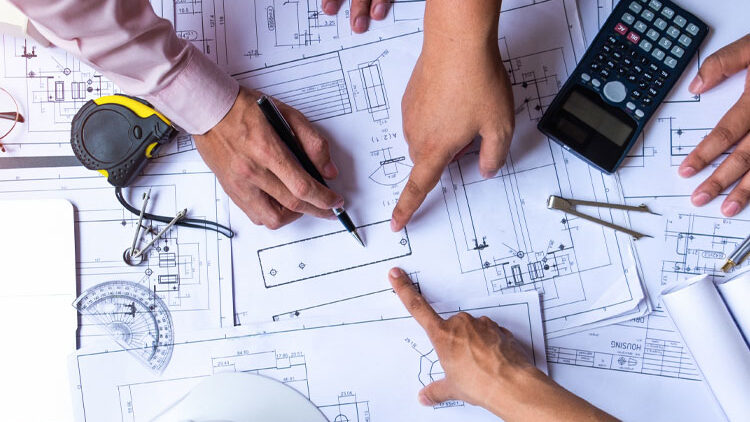
Benefits of Prefabrication in Restaurant Build-Outs
You’ll find significant advantages when incorporating prefabricated elements into your restaurant construction project. From pre-assembled kitchen units to standardized dining areas, prefabrication reduces on-site labor costs by up to 40% and minimizes construction waste. Your project benefits from enhanced quality control, as components are built in controlled factory environments, ensuring consistent excellence in every installation.
Streamlining Franchise Rollouts with Consistency
Your franchise expansion becomes seamless when you implement modular construction techniques. By standardizing building components and processes, you can ensure each new location maintains brand consistency while reducing construction time. This approach allows you to open multiple locations simultaneously, maintaining the same high-quality standards across all your restaurants.
When you choose modular construction for your franchise rollout, you’ll experience benefits beyond just speed and consistency. Your construction waste is reduced by up to 90%, your labor costs become more predictable, and your quality control improves significantly. The standardized processes mean your staff training becomes more efficient, and your equipment installation follows a proven template. This systematic approach helps you maintain brand standards while accelerating your market presence.
Designing for Flexibility: Adapting to Customer Needs
Your restaurant’s success depends on its ability to adapt to changing customer preferences and dining patterns. Modern restaurant design focuses on creating spaces that can transform throughout the day, accommodating different service styles and guest capacities. You’ll find that flexible design solutions can help you maximize your space utilization while creating unique dining experiences that keep your customers coming back.
Implementing Movable Walls and Multi-Use Spaces
You can revolutionize your restaurant’s layout with state-of-the-art movable wall systems and adaptable furniture solutions. These innovative features allow you to reconfigure your dining space within minutes, accommodating intimate dinner services, large corporate events, or casual lunch crowds. By incorporating multi-functional design elements, you’ll be able to transform your space to meet various dining scenarios while maintaining optimal operational efficiency.
Enhancing Indoor-Outdoor Experiences
Your dining space can seamlessly blend the indoors with the outdoors through innovative construction solutions. Retractable glass walls, climate-controlled patios, and smart awning systems allow you to offer year-round al fresco dining experiences while maintaining comfort and ambiance. These features help you maximize your seating capacity while creating an appealing atmosphere that attracts modern diners.
When you enhance your indoor-outdoor dining capabilities, you’ll benefit from advanced weather-responsive technology that automatically adjusts to environmental conditions. Smart sensors can trigger automated responses to rain, wind, or temperature changes, ensuring your guests remain comfortable regardless of weather conditions. These systems can be integrated with your restaurant’s overall climate control, creating a unified environment that maintains consistent comfort levels throughout your space.
Maximizing Efficiency with Advanced HVAC Systems
Your restaurant’s HVAC system can make or break both customer comfort and operational costs. Modern HVAC innovations now offer you unprecedented control over your restaurant’s climate while significantly reducing energy consumption. These advanced systems integrate seamlessly with your building management systems, providing real-time data and automated adjustments based on occupancy, time of day, and external weather conditions.
| Feature | Benefit |
|---|---|
| AI-Powered Climate Control | 30% reduction in energy costs |
| Zone-Based Temperature Management | Customized comfort for different areas |
| Smart Ventilation Systems | Improved air quality and reduced odors |
- Variable Refrigerant Flow Systems
- Smart Sensor Integration
- Heat Recovery Technology
- Automated Maintenance Alerts
Smart Thermostats and Zoned Climate Control
Your restaurant can achieve optimal comfort levels throughout different areas with smart thermostat technology. These systems allow you to create distinct temperature zones for your dining area, kitchen, and storage spaces, ensuring each space maintains ideal conditions while minimizing energy waste. The AI-driven controls learn from your patterns and adjust automatically to maintain perfect conditions.
Importance of Energy Recovery Ventilation
Your restaurant can capture and reuse up to 80% of energy from exhaust air through Energy Recovery Ventilation (ERV) systems. This technology transfers heat and moisture between incoming and outgoing air streams, substantially reducing your HVAC load while maintaining superior indoor air quality.
When you implement ERV systems in your restaurant, you’re not just saving energy – you’re creating a more comfortable environment for your guests and staff. The system continuously exchanges stale air with fresh air while maintaining temperature and humidity levels, reducing cooking odors, and creating a more pleasant dining atmosphere. Your investment in ERV technology typically pays for itself within 2-3 years through reduced energy costs.
Prioritizing Health and Safety in Construction
Your restaurant’s construction needs to prioritize health and safety features that protect both staff and customers. Modern construction techniques now integrate advanced materials and systems designed to minimize health risks while maximizing operational efficiency. You’ll find that implementing these innovations during the construction phase is more cost-effective than retrofitting them later.
Incorporating Touchless Amenities
You can transform your restaurant’s customer experience with state-of-the-art touchless solutions. From motion-activated doors and faucets to smartphone-controlled ordering systems, these amenities reduce contact points throughout your establishment. Your investment in touchless technology during construction will demonstrate your commitment to customer safety while streamlining operations.
Enhancing Air Quality and Surface Hygiene
Your restaurant’s air quality and surface cleanliness directly impact customer confidence and comfort. Advanced ventilation systems and antimicrobial building materials are now standard features in modern restaurant construction. You’ll benefit from reduced maintenance costs while providing a healthier environment for your staff and patrons.
When you invest in enhanced air quality systems, you’re getting more than just clean air. Your new construction can include UV-C light disinfection in HVAC systems, photocatalytic oxidation technology, and smart sensors that monitor air quality in real-time. These systems work together with specially treated surfaces that resist bacterial growth and make cleaning more effective. You’ll see improved energy efficiency while maintaining optimal air quality throughout your space.
Enhancing Customer Experience with Technology
As you plan your restaurant construction or renovation, incorporating cutting-edge technology will transform how your guests interact with your space. Modern restaurant design now seamlessly integrates digital solutions that enhance comfort, reduce wait times, and create memorable dining experiences while maintaining the warmth of traditional hospitality.
Integrating Self-Service Technologies
Your restaurant can benefit from smart self-service solutions that streamline the ordering process and reduce operational costs. From interactive digital menus to automated ordering kiosks, these technologies can be built into your restaurant’s layout from the ground up, ensuring a smooth flow of customer traffic and enhanced service efficiency.
| Feature | Benefit |
|---|---|
| Digital Kiosks | Reduced wait times |
| Smart Tables | Enhanced ordering convenience |
| Mobile Integration | Improved customer satisfaction |
Streamlining Operations with Advanced POS Systems
Your restaurant’s success depends on efficient operational flow, and modern POS systems are at the heart of this transformation. These systems can be integrated during construction to ensure proper placement of terminals, charging stations, and network infrastructure.
| Component | Advantage |
|---|---|
| Wireless Infrastructure | Flexible service areas |
| Built-in Payment Systems | Faster transactions |
| Digital Display Integration | Real-time menu updates |
- Reduced operational costs
- Improved order accuracy
- Enhanced inventory management
- Better customer data collection
Engineering Acoustic Environments for Optimal Dining
Your restaurant’s acoustic environment directly impacts your guests’ dining experience and your staff’s productivity. Modern acoustic engineering combines scientific principles with innovative materials to create the perfect sound atmosphere. You’ll find that well-designed acoustic spaces can increase customer satisfaction, encourage longer stays, and boost revenue while maintaining comfortable noise levels for both diners and employees.
Implementing Noise Reduction Techniques
You can transform your dining space with cutting-edge sound absorption technologies. From micro-perforated panels that blend seamlessly into your décor to advanced acoustic plaster systems, these solutions reduce unwanted noise without compromising your restaurant’s aesthetic appeal. Your guests will enjoy clearer conversations while still experiencing the vibrant atmosphere that keeps them coming back.
Designing Smart Layouts for Sound Management
Your restaurant’s layout plays a vital role in sound control. Strategic placement of seating areas, service stations, and kitchen entrances can create natural sound barriers. You’ll discover that thoughtful space planning helps manage noise flow and creates distinct acoustic zones that enhance the dining experience for all your guests.
When you implement smart layout design, you’ll see how strategic positioning of hard and soft surfaces can work together to control sound reflection. Your bar area can maintain its energetic buzz while your intimate dining sections remain conversation-friendly. By incorporating curved walls, varying ceiling heights, and strategic buffer zones, you’ll create a dynamic yet comfortable acoustic environment that adapts to different dining scenarios throughout the day.
Crafting Unique Brand Identities Through Architecture
Your restaurant’s architectural design serves as a powerful tool for brand storytelling. In 2025, you’ll find that innovative construction techniques allow you to create spaces that instantly communicate your brand’s personality to guests. From custom lighting solutions to signature architectural elements, your restaurant’s physical structure can become your most effective marketing asset, helping you stand out in a competitive market.
Utilizing Custom Design Features
You can now incorporate personalized design elements that reflect your brand’s unique identity through advanced manufacturing techniques. Your space can feature custom-fabricated elements like branded wall panels, distinctive ceiling treatments, and integrated digital displays. These architectural innovations help you create an immersive dining environment that resonates with your target audience and enhances brand recognition.
The Role of Open Kitchens in Building Trust
Your kitchen’s visibility can significantly impact customer confidence in your restaurant. Modern open kitchen designs incorporate advanced ventilation systems and strategic layouts that allow you to showcase your culinary expertise while maintaining operational efficiency. This transparency helps you build trust with your guests and creates an engaging dining experience.
When you integrate an open kitchen into your restaurant design, you’ll benefit from multiple advantages. Your guests can witness the preparation of their meals, creating an entertaining spectacle that adds value to their dining experience. The design also promotes accountability among your staff, leading to consistently higher standards of cleanliness and food preparation. Advanced construction techniques now allow you to maintain comfortable dining room temperatures while managing kitchen heat, ensuring an optimal environment for both your guests and staff.
Fast-Tracking Success: Speed-to-Market Construction
Your restaurant’s success depends on how quickly you can start serving customers. Modern speed-to-market construction techniques can reduce your build-out timeline by up to 40%. By implementing advanced prefabrication methods and streamlined project management, you can transform your restaurant concept into a operational reality in record time. These innovative approaches help you minimize revenue loss during construction while ensuring your establishment meets the highest quality standards.
Phased Strategies for Rapid Openings
You can maximize your restaurant’s potential by adopting a strategic phased opening approach. This innovative method allows you to begin operations in crucial areas while completing secondary spaces, getting your kitchen and main dining area running while finalizing outdoor seating or private dining rooms. This approach helps you start generating revenue sooner while maintaining construction efficiency.
Leveraging Tech for Real-Time Adjustments
Your construction project can now benefit from cutting-edge technology that enables instant decision-making and modifications. Through digital twins and augmented reality platforms, you can visualize and adjust your restaurant’s design in real-time, ensuring every detail aligns with your vision before it’s built. This technology reduces costly corrections and speeds up the construction process.
With these advanced tools at your disposal, you can monitor construction progress remotely, make informed decisions quickly, and adapt to changes efficiently. Smart sensors track environmental conditions, material performance, and construction milestones, while AI-powered analytics help predict potential issues before they arise. This level of technological integration ensures your restaurant build-out stays on schedule while maintaining the highest quality standards.
Conclusion
Upon reflecting on these groundbreaking construction innovations, you’ll find yourself better equipped to make informed decisions about your restaurant’s future. These advancements will transform how you approach your next construction project, offering smarter solutions for space utilization, energy management, and guest experience. With Kinetic Builders’ expertise in implementing these cutting-edge technologies, your restaurant can stay ahead of industry trends while creating a more sustainable and profitable operation. As you plan your next restaurant build-out or renovation, these innovations will help you create a space that’s not just modern, but truly future-ready.
FAQ
Q: What are the main sustainable materials being used in restaurant construction for 2025?
A: The leading sustainable materials include recycled steel structures, bamboo flooring, reclaimed wood for decorative elements, and low-VOC finishes. Kinetic Builders specializes in incorporating these eco-friendly materials while maintaining durability and aesthetic appeal in restaurant construction.
Q: How are smart technologies being integrated into restaurant construction?
A: Smart technology integration includes automated HVAC systems, IoT-enabled kitchen equipment, smart lighting controls, and digital ordering systems built directly into the infrastructure. These systems are designed to reduce energy consumption and improve operational efficiency.
Q: What innovations are being implemented for outdoor dining spaces?
A: Modern outdoor dining innovations include retractable roofing systems, weather-resistant materials, integrated heating and cooling solutions, and modular design elements that allow for quick space reconfiguration based on weather conditions or event needs.
Q: How are new ventilation systems improving restaurant construction?
A: Advanced ventilation systems now feature AI-controlled air purification, energy-efficient heat recovery systems, and smart sensors that automatically adjust airflow based on occupancy and cooking activities, ensuring optimal air quality and comfort.
Q: What are the latest innovations in kitchen layout and design?
A: Modern kitchen innovations include modular cooking stations, 360-degree workflow designs, integrated waste management systems, and ergonomic workspaces that maximize efficiency while minimizing staff fatigue and movement.
Q: How are energy-efficient solutions being incorporated into restaurant construction?
A: Energy-efficient solutions include solar panel integration, smart glass windows, LED lighting systems with daylight harvesting, and high-efficiency appliances. These features are designed to reduce operational costs and environmental impact.
Q: What accessibility innovations are being implemented in restaurant construction?
A: New accessibility features include wider pathways, adjustable-height serving counters, tactile guidance systems, and smart door systems. These innovations ensure comfortable access for all customers while complying with current regulations and future standards.
For more information contact us at – Kinetic Builders, 972.903.4220