Frequently Asked Questions
What are tenant improvements and betterments for a restaurant?
Tenant improvements and betterments for a restaurant refer to the enhancements made to a leased space to meet the specific needs of the business. These include modifications such as interior design, fixtures, and equipment installation that improve functionality and aesthetics.
What defines tenant improvements for restaurants?
Tenant improvements for restaurants are defined as the modifications and enhancements made to a leased space, tailored to meet the operational needs and aesthetic preferences of the restaurant, ensuring functionality and compliance with health and safety regulations.
How do tenant improvements enhance restaurant functionality?
Tenant improvements enhance restaurant functionality by customizing the space to meet specific operational needs, improving workflow efficiency, and creating an inviting atmosphere that attracts customers, ultimately leading to better service and increased profitability.
What are common examples of restaurant betterments?
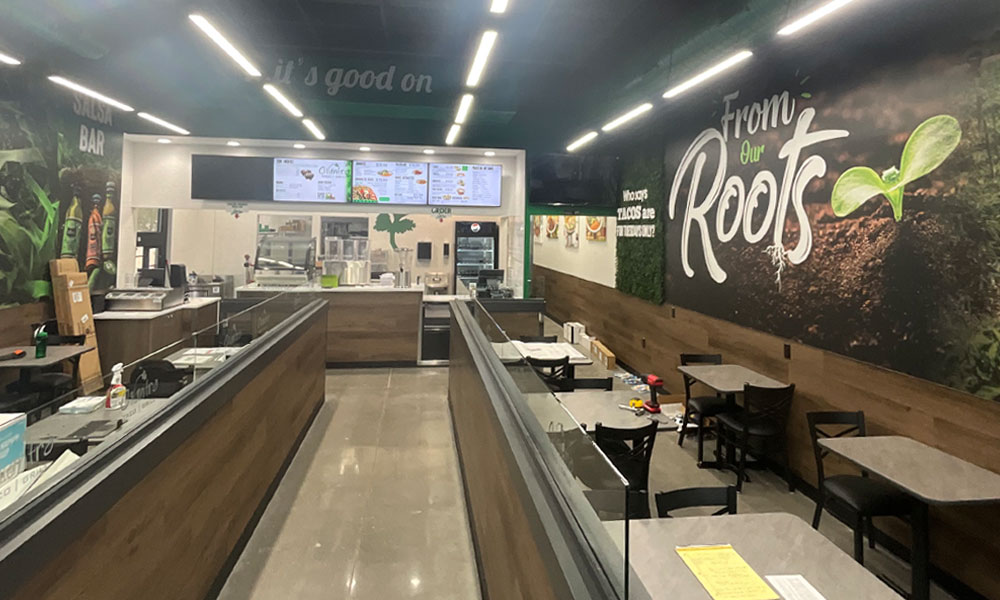
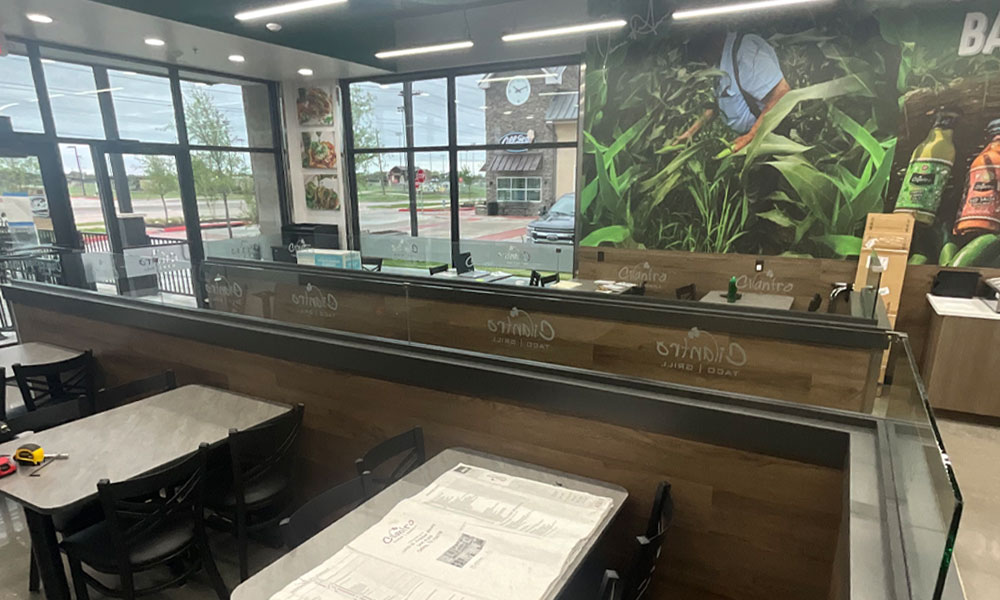
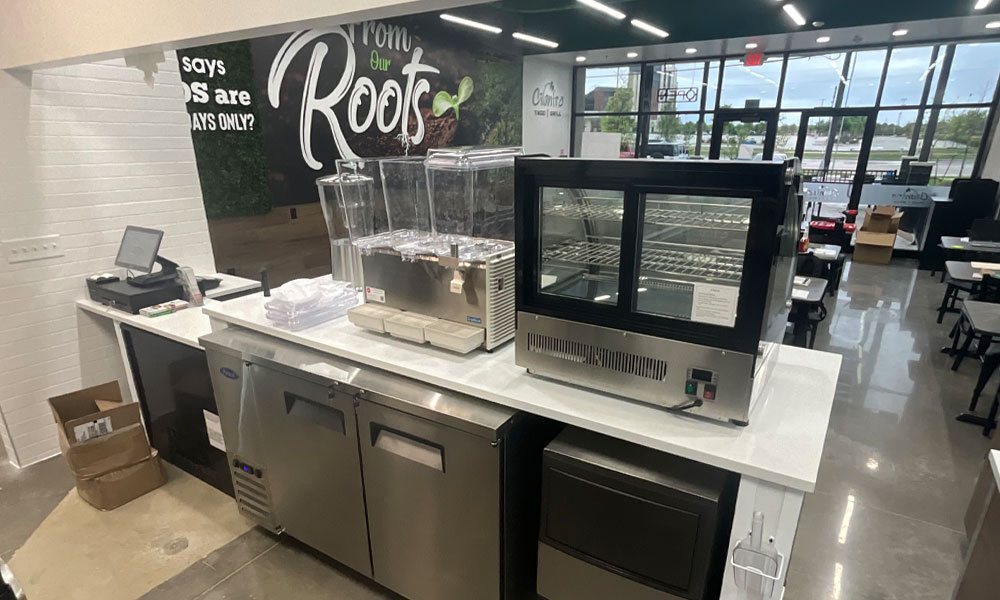
Common examples of restaurant betterments include improvements in interior design, upgraded kitchen equipment, enhanced seating arrangements, and energy-efficient lighting. These enhancements aim to create a better dining experience and increase operational efficiency.
How do tenant improvements affect restaurant design?
Tenant improvements significantly influence restaurant design by customizing the space to meet specific operational needs and aesthetic preferences. These enhancements ensure functionality, compliance with regulations, and create an inviting atmosphere that aligns with the brand's identity.
What costs are associated with tenant improvements?
The costs associated with tenant improvements typically include construction labor, materials, design fees, permits, and any necessary equipment or furnishings tailored to the specific needs of the tenant.
How long do tenant improvements typically take?
Tenant improvements typically take between 6 to 12 weeks to complete, depending on the scope of the project and specific design requirements. Timely execution is essential for ensuring a successful build-out, especially in franchise-focused settings.
What permits are needed for restaurant improvements?
The permits needed for restaurant improvements typically include building permits, health permits, and zoning permits. Depending on the scope of the project, additional permits for signage and fire safety may also be required.
How can tenant improvements increase restaurant value?
Tenant improvements can significantly increase restaurant value by enhancing the space's functionality and aesthetics, attracting more customers, and ultimately improving profitability. Well-executed upgrades can lead to higher rental rates and increased overall market appeal.
What role do contractors play in tenant improvements?
The role of contractors in tenant improvements is crucial, as they manage the construction process, ensure compliance with regulations, and coordinate timelines and budgets to transform commercial spaces into functional environments tailored to tenant needs.
How to budget for restaurant tenant improvements?
Budgeting for restaurant tenant improvements involves assessing renovation costs, including design, materials, labor, and permits. It's essential to prioritize needs, obtain multiple quotes, and allocate a contingency fund for unexpected expenses to ensure a successful project.
What are the benefits of custom restaurant build-outs?
The benefits of custom restaurant build-outs include tailored designs that enhance brand identity, optimized layouts for efficient operations, and improved customer experiences, all contributing to a successful and appealing dining environment.
How do tenant improvements impact customer experience?
Tenant improvements significantly enhance customer experience by creating inviting, functional spaces that reflect the brand's identity. Well-designed environments promote comfort and satisfaction, leading to increased customer loyalty and positive word-of-mouth for businesses.
What materials are best for restaurant renovations?
The best materials for restaurant renovations include durable options like stainless steel, high-quality wood, and ceramic tiles. These materials not only enhance aesthetics but also ensure longevity and ease of maintenance in a high-traffic environment.
How to choose a contractor for tenant improvements?
Choosing a contractor for tenant improvements involves evaluating their experience in similar projects, checking references, and ensuring they understand your vision and budget. Prioritize contractors who specialize in tenant build-outs to guarantee quality and timely delivery.
What design trends are popular in restaurant build-outs?
Current popular design trends in restaurant build-outs include open layouts, sustainable materials, vibrant color schemes, and technology integration, all aimed at enhancing customer experience and operational efficiency in fast-casual dining environments.
How do tenant improvements comply with local codes?
Tenant improvements comply with local codes by adhering to building regulations, safety standards, and zoning laws. This ensures that all modifications meet legal requirements for construction, accessibility, and safety in the specific area where the project is located.
What is the process for planning tenant improvements?
The process for planning tenant improvements involves assessing the space requirements, collaborating with designers and contractors, creating a detailed budget, obtaining necessary permits, and ensuring compliance with local regulations before commencing construction.
How to ensure quality in restaurant renovations?
Ensuring quality in restaurant renovations involves meticulous planning, selecting experienced contractors, and maintaining open communication throughout the project. Regular inspections and adherence to industry standards also play crucial roles in achieving a successful outcome.
What are the challenges of restaurant tenant improvements?
The challenges of restaurant tenant improvements include navigating strict building codes, managing tight timelines, and ensuring design compliance while working within budget constraints. Additionally, coordinating with various contractors and suppliers can complicate the process.
How can technology be integrated into restaurant designs?
Technology can be integrated into restaurant designs through smart kitchen equipment, digital ordering systems, and interactive customer interfaces, enhancing efficiency and improving the dining experience while aligning with modern consumer expectations.
What is the timeline for restaurant build-out projects?
The timeline for restaurant build-out projects typically ranges from 3 to 6 months, depending on factors like design complexity, permitting processes, and construction schedules. Kinetic Builders Corp. ensures timely delivery while maintaining high-quality standards.
How to assess the need for tenant improvements?
Assessing the need for tenant improvements involves evaluating the current space against the specific requirements of the business, considering factors such as functionality, aesthetics, and compliance with regulations to ensure it meets operational goals.
What financing options are available for renovations?
The financing options available for renovations include personal loans, home equity lines of credit (HELOCs), government grants, and specialized renovation loans. Each option offers different terms and benefits tailored to your renovation needs.
How do tenant improvements affect lease agreements?
Tenant improvements can significantly impact lease agreements by determining the responsibilities for costs, maintenance, and ownership of the improvements. These factors can influence rental rates and lease terms, ensuring both parties are aligned on expectations.
What are the best practices for restaurant layouts?
The best practices for restaurant layouts involve creating a functional flow, optimizing seating arrangements for comfort and efficiency, ensuring visibility of key areas, and incorporating design elements that enhance the dining experience while maximizing space utilization.
How to maximize space in restaurant renovations?
Maximizing space in restaurant renovations involves strategic layout design, utilizing multifunctional furniture, and optimizing storage solutions. Incorporating open areas and efficient traffic flow can enhance both functionality and customer experience.
What role does branding play in tenant improvements?
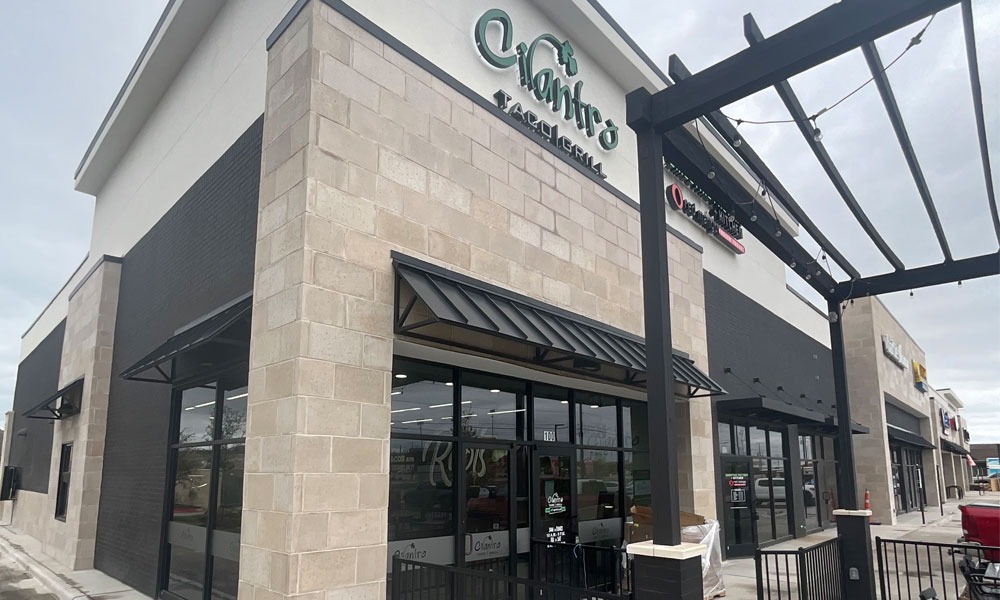
The role of branding in tenant improvements is crucial as it ensures that the design and construction reflect the identity and values of the business, enhancing customer experience and promoting brand recognition in the space.
How to evaluate the success of tenant improvements?
Evaluating the success of tenant improvements involves assessing factors such as tenant satisfaction, adherence to budget and timeline, and the overall functionality and aesthetics of the space. Effective communication with tenants post-completion is also crucial.
What are the latest innovations in restaurant design?
The latest innovations in restaurant design include sustainable materials, flexible layouts for multifunctional spaces, and advanced technology integration for enhanced customer experiences, such as contactless ordering and smart kitchen equipment.